Feeding Kittens Wet and Dry Food: Safe Mixing Tips
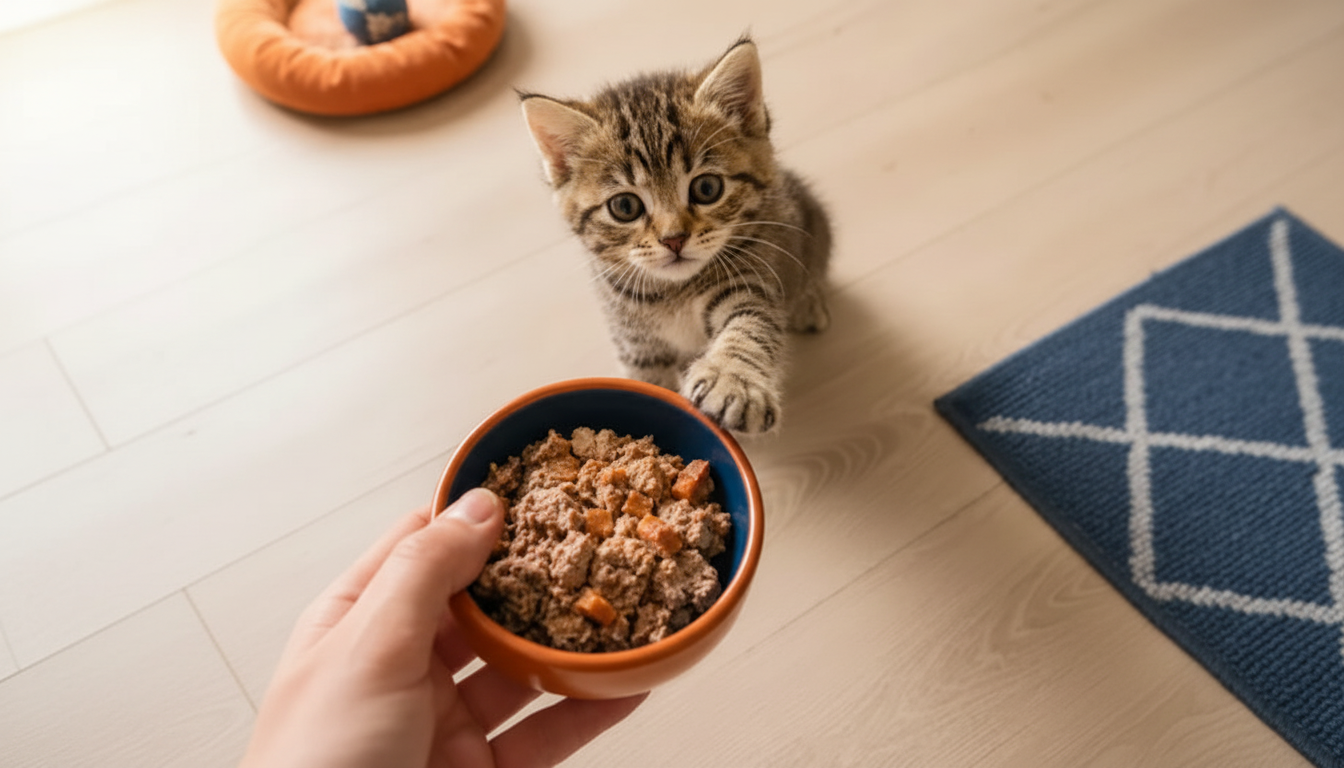
Can I feed my kitten both wet and dry food?
Yes. Many kittens do well on a combination of wet and dry food, as long as both are labeled “complete and balanced” for growth (kitten life stage) and the total daily calories stay appropriate for your kitten’s age and weight. Mixing textures can also make meals more appealing and help you manage hydration and dental habits early on.
How to combine wet and dry food safely
Pick kitten-formulated foods
Kittens need higher protein, fat, and key nutrients (like DHA) than adult cats. Choose wet and dry recipes specifically made for kittens, and avoid “all life stages” foods unless you’re confident it meets growth needs.
Decide on a feeding schedule
A common approach is wet food at one or two meals (often morning and/or evening) and measured dry food for another meal or as a small portion between meals. Young kittens usually do best with multiple smaller meals per day.
Measure portions to prevent overfeeding
Wet and dry can add up quickly. Use the feeding guidelines on both packages as a starting point, then adjust based on body condition and your veterinarian’s advice. If you free-feed dry food, it’s especially important to keep the amount limited when adding wet meals.
Benefits of feeding both
Hydration support
Wet food adds moisture, which can be helpful for kittens that don’t drink much water. Always provide fresh water anyway, especially if dry food is part of the routine.
Texture variety and easier transitions
Offering both textures can reduce pickiness and make it easier to adjust diets later. It can also help if your kitten temporarily needs a softer diet during teething or after minor tummy upsets (with vet guidance).
Common mistakes to avoid
Leaving wet food out too long
Wet food shouldn’t sit at room temperature for extended periods. Serve what your kitten will eat within a reasonable time, then refrigerate leftovers promptly according to the label directions.
Switching foods too fast
If you’re introducing a new wet or dry recipe, transition gradually over about a week to reduce digestive upset.
For a deeper breakdown of portions, schedules, and practical tips, visit the full guide on feeding kittens wet and dry food.
FAQ
How much wet food should a kitten eat per day?
It depends on age, weight, and the calorie density of the food. Start with the package feeding chart, divide the total into multiple meals, and adjust to keep your kitten growing steadily without becoming chubby.











Leave a comment